
The AEO tactics worth testing are straightforward: consolidate duplicate pages, correct unsupported claims, improve primary sourcing, expose important facts in crawlable text, validate provider access, and monitor a fixed prompt sample. Clear headings and concise answers help readers, but fixed chunk sizes, keyword density, schema shortcuts, and citation guarantees are not documented requirements.
- Audit factual value, duplication, crawl access, and source quality before changing paragraph structure.
- Use clear answers and machine-readable metadata where appropriate, but reject rigid word counts and secret-algorithm claims.
- Run controlled, documented tests and keep platform observations separate from business attribution.
Tactic 1: Audit by user question and source quality
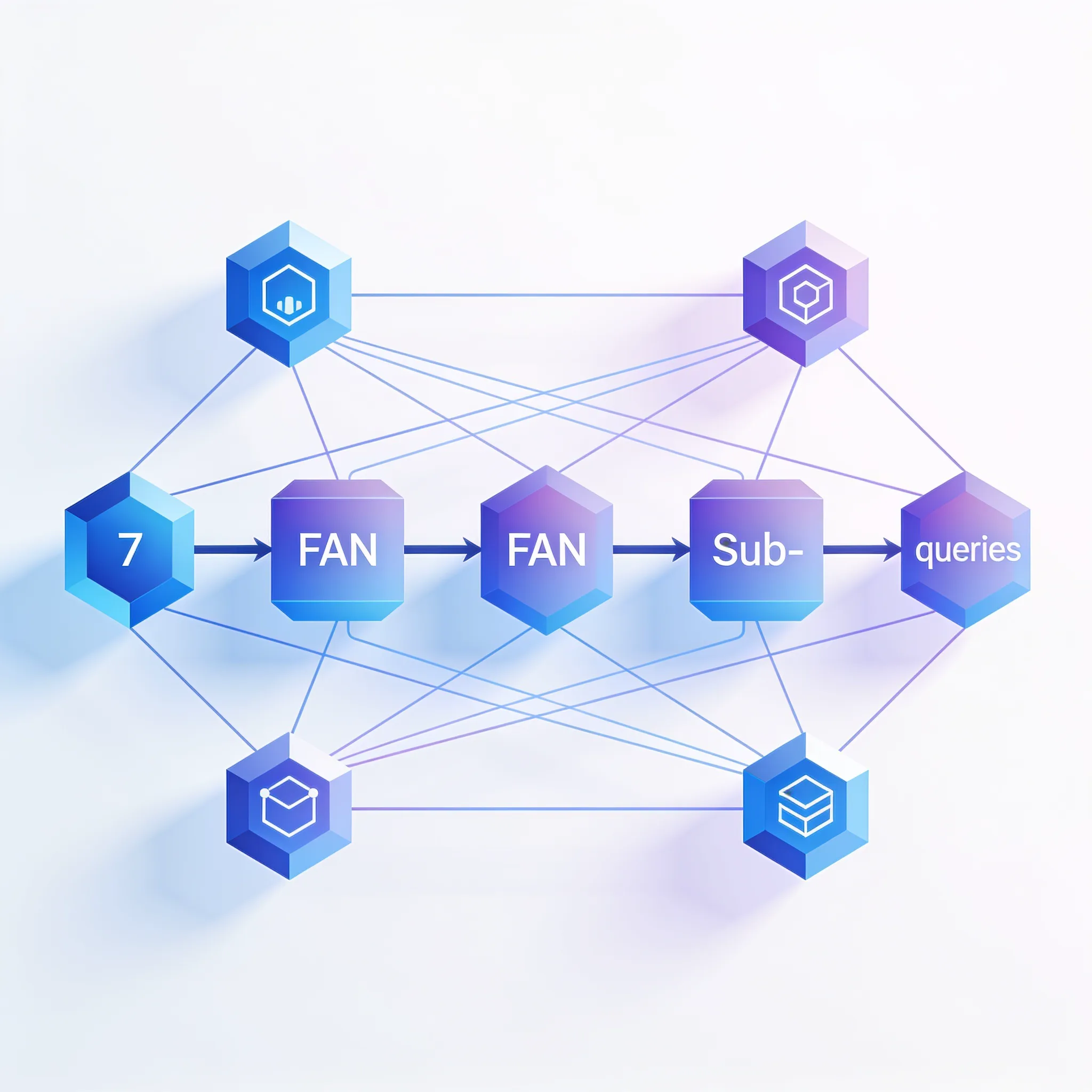
Create a table of important questions, current source pages, factual owners, primary references, and known gaps. Flag pages that duplicate another URL or make claims with no evidence.
Prioritize corrections and consolidation before new production. This reduces contradictory answers and maintenance work.
Tactic 2: Make each section answerable and complete
Use a descriptive heading and answer the section question without a long generic preamble. Add supporting evidence and limitations immediately after the answer. Keep necessary context even when it makes the section longer.
Do not target a fixed range such as one hundred fifty to two hundred fifty words. No primary platform source publishes that rule.
Tactic 3: Use terminology without stuffing

Name the product, standard, entity, and problem precisely. Define specialized terms once, use normal synonyms, and remove repeated exact phrases that make the page difficult to read.
Semantic retrieval does not make keywords irrelevant, and lexical retrieval does not justify repetition. Both depend on clear subject matter.
Tactic 4: Fix technical eligibility
Verify response codes, canonical tags, robots directives, sitemaps, internal links, rendering, and bot protection. Check the provider-specific crawler documentation for each platform you intend to support.
An access fix can remove a blocker. It cannot ensure the page will be selected.
Do the assistants your buyers ask name you, or a competitor?
Reads your site, then asks four assistants what your customers ask.
Tactic 5: Keep metadata synchronized

Use Article and other schema types where the visible content and documented feature support them. Validate the markup and match the headline, author, dates, images, questions, and answers to the page.
Google's AI search guidance says special AI schema is unnecessary. Treat structured data as accurate description, not an extraction command.
Tactic 6: Track a declared sample
Choose prompts that represent real decisions and keep the set stable for a reporting period. Record the platform, date, locale, search mode, linked citations, mentions, and errors.
Share of voice should state its denominator. A result from twenty prompts is a result from those twenty prompts.
Tactic 7: Diagnose zero-click outcomes carefully
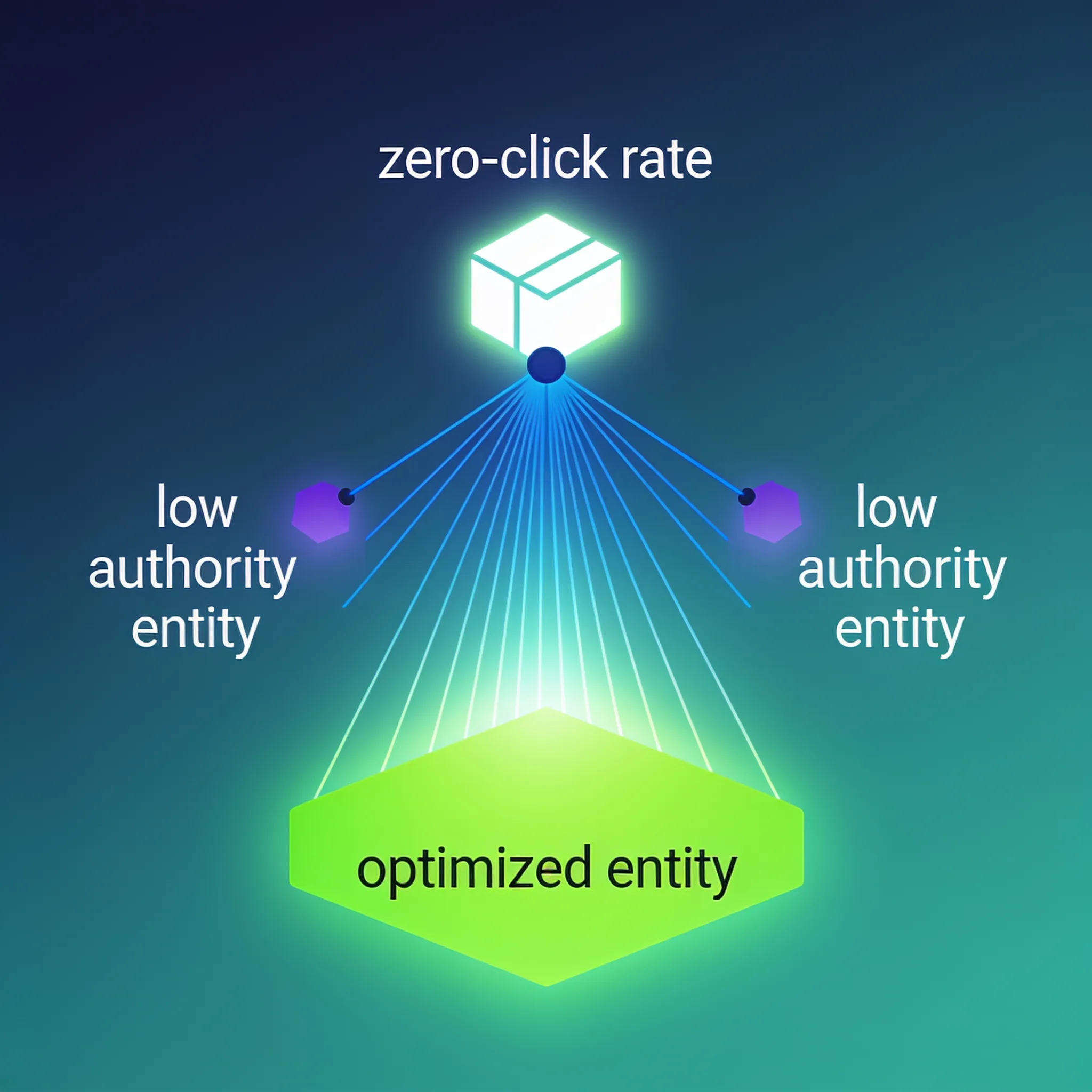
A generated answer may satisfy the user without a visit. That does not automatically mean the source gained or lost business. Pair source observations with Search Console, analytics, branded demand, lead quality, and customer research.
State attribution limits. Do not manufacture ROI from a citation count.
Find out what ChatGPT says about you before your next buyer does.
Free, no account. The paid audit is $490 and takes 3-5 business days.
Frequently Asked Questions
