Voice optimization means making public information accurate, crawlable, accessible, and easy to understand when read aloud. It does not require a universal speakable schema or fixed answer length. Test real spoken questions across relevant devices, record whether search was used and which source appeared, and report results as samples rather than rankings.
- Voice is an interface over several search and assistant systems, so there is no single voice ranking formula.
- Accurate business information, crawlable text, accessible interaction, and clear answers support users across screen and voice contexts.
- Voice outcomes often lack clicks and stable citations, so report prompt observations separately from web traffic and conversions.
What AI voice search optimization means

Voice experiences can route a question through a search index, an assistant model, a local database, an app, or a combination of sources. The interface may speak an answer without showing a conventional results page. Optimization therefore begins with the source systems relevant to the user task.
Focus on accurate facts and successful task completion. A spoken answer should not depend on seeing a chart, unexplained acronym, or nearby paragraph.
Keep useful SEO foundations
Featured snippets and ordinary search results have not become obsolete. They remain possible sources and user destinations. Google states that its existing SEO practices continue to apply to AI features, including crawl access, internal links, textual content, useful media, and accurate structured data.
Do not remove depth from a page to chase a short spoken answer. Put a concise explanation near the relevant heading, then keep the detail a reader needs.
Use schema for documented purposes
Article, Organization, LocalBusiness, Product, and other schema types can describe visible content when their requirements fit the page. A valid schema object does not force a voice assistant to speak or cite the content.
Validate markup and keep it synchronized with the page. Avoid describing `speakable` as a universal AI retrieval switch. Platform support is feature-specific and can change.
Test the interfaces your audience uses
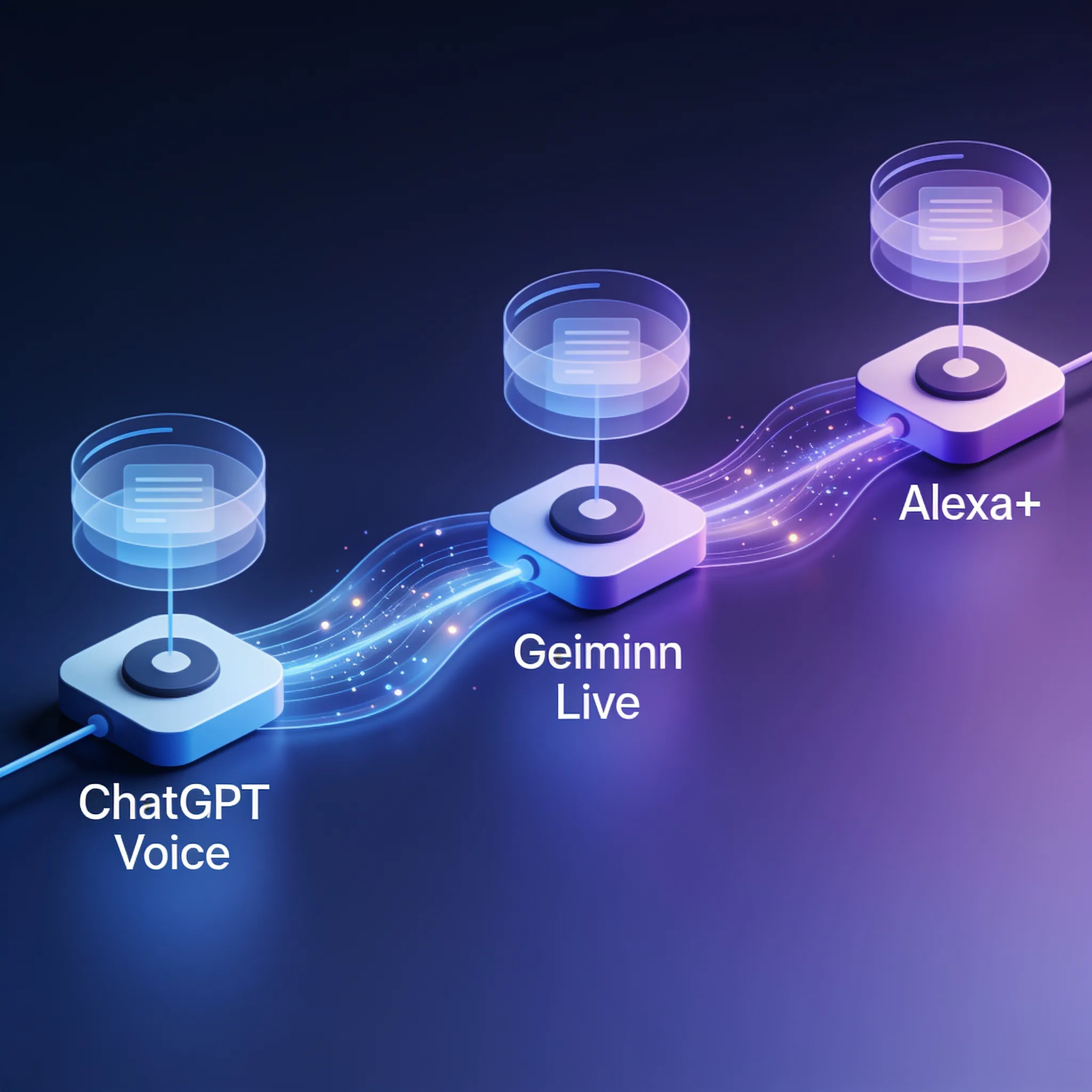
ChatGPT voice, Gemini voice experiences, mobile assistants, smart speakers, and in-car systems can use different data sources and present results differently. Document the device, account state, locale, date, and exact phrasing for every test.
A result from one interface is not a benchmark for another. Repeat questions with natural variations because spoken language is less standardized than typed keywords.
Do the assistants your buyers ask name you, or a competitor?
Reads your site, then asks four assistants what your customers ask.
Write answers that work when heard
Use plain terms, identify the subject, and put units next to numbers. For local businesses, keep hours, address, service area, phone, accessibility information, and booking instructions current in the authoritative profiles and on the site.
Read important answers aloud. Fix sentences that rely on punctuation or layout to make sense. This is an accessibility and comprehension check, not a citation trick.
Measure voice visibility honestly

Create a small set of spoken tasks, record whether the brand or source was named, note whether a screen displayed a link, and capture any factual error. Do not call this a rank unless the interface actually presents an ordered result.
Traffic analytics will miss voice answers that produce no click. Report that gap instead of filling it with an estimated conversion value. When referrals do occur, analyze them with the same attribution discipline used for other channels.
Find out what ChatGPT says about you before your next buyer does.
Free, no account. The paid audit is $490 and takes 3-5 business days.
Frequently Asked Questions
